Micro-Wire Defrosters, Gel Pads, and Glass Variations
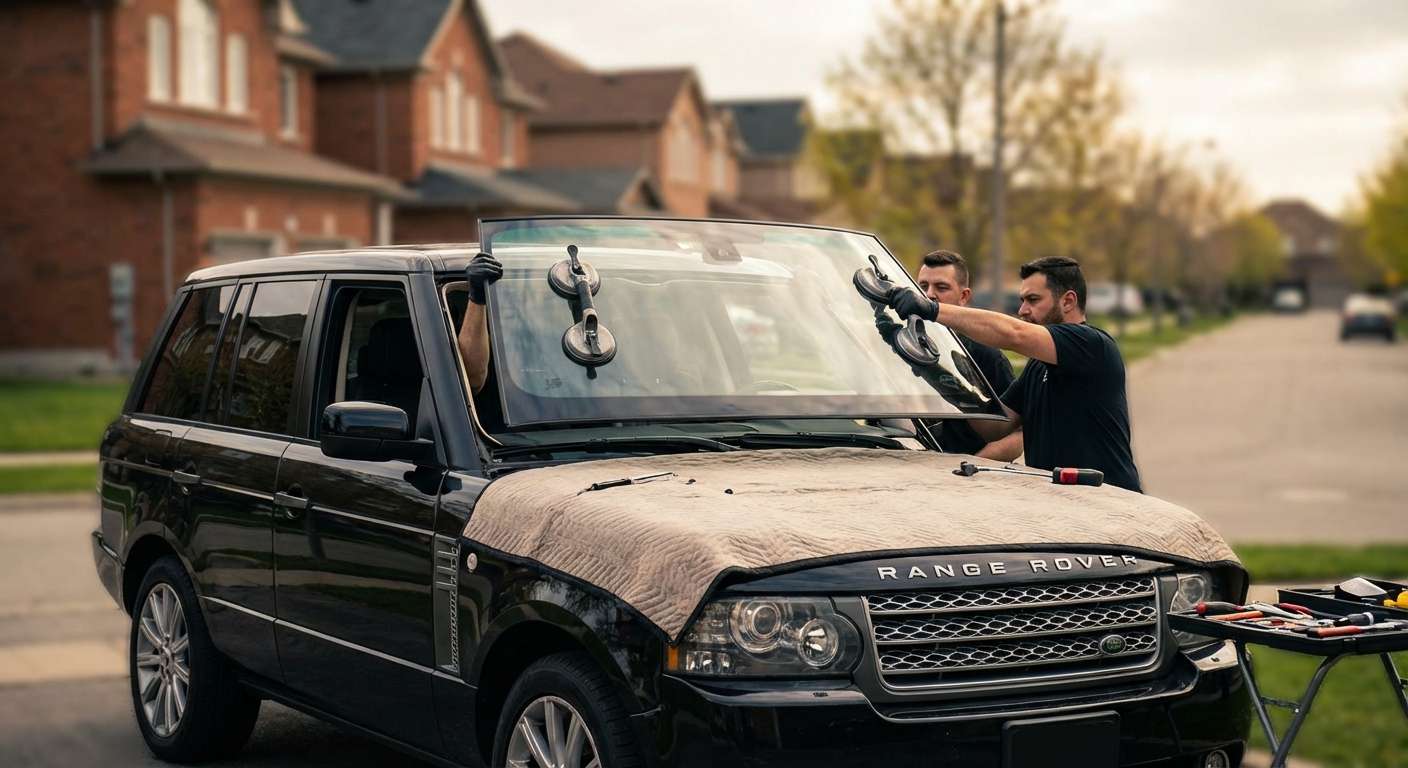
Replacing the front glass on an L322 requires pinpointing the exact electronic features integrated between the laminate plies, as Land Rover offered several distinct windshield packages over this production run. Most models utilize the Quickclear heated windshield system, which embeds micro-fine heating wires in an ultra-dense vertical array throughout the viewing area. This system operates across two separate electrical circuits—splitting driver and passenger halves—fed by heavy-gauge busbars beneath the lower cowl. If you have ever experienced only the right or left half of your glass clearing on a cold morning, one of those dedicated busbar connections or their 30A fuses failed.
Beyond heating elements, optical equipment mounted to the glass changed between early BMW-era electrical architectures and later post-2010 updates. Every factory rain and light sensor bracket attached to the windshield relies on a bubble-free optical silicone gel pad to read refractive light changes through the glass. Reusing an old, torn pad or dry-mounting an aftermarket windshield causes immediate wipe-interval errors or outright failure of the auto-headlamp circuit.
| Glass Spec / Option | NAGS Reference | Key Embedded Features |
|---|---|---|
| Heated Green Tint | FW02381 | Split-circuit defroster grid, rain sensor bracket |
| Non-Heated Green Tint | FW02382 | Standard acoustic laminate, rain sensor bracket |
| Solar Reflective (Climate Comfort) | FW02381 / Variant | IR-reflective metallic interlayer, RF pass-through toll cutouts |
Models specified with climate comfort solar-reflective laminate contain a metallic infrared barrier. Because this coating reflects radio frequency signals along with heat, these windshields feature distinct toll cutouts—uncoated clear zones flanking the rearview mirror housing—allowing garage transponders and radar detectors to transmit out of the cabin.
Gloss A-Pillars and Water Intrusion Risks
The exterior architecture surrounding the glass directly dictates cabin quietness and electrical reliability. The gloss black vertical A-pillar finisher mouldings flanking each side of the windshield use delicate plastic retaining clips that snap easily during removal. If an installer breaks these clips and attempts to glue or reuse loose finishers, air forces beneath the trim at highway speeds, resulting in a persistent high-pitched whistle. I back every replacement with a lifetime guarantee on my workmanship alongside a one-year warranty covering the replacement glass itself, ensuring body trims remain anchored and sealed as intended.
Proper perimeter fitment also controls drainage around the lower two-piece plastic wiper cowl grille. The L322 routes substantial rainwater runoff down the lower glass weatherstrip into inner cowl channels. If a replacement windshield is positioned incorrectly or lacks a continuous, watertight seal, water bypasses the cowl tray and migrates down the interior firewall. In this chassis, that path runs straight into the passenger footwell, where water drips directly over the Body Control Module (BCM) and main junction box, triggering severe electrical faults across the instrument cluster and air suspension.
Hardware Retention and Cowl Integration
- Top Reveal Moulding: The rubber bridge filling the gap between the upper glass border and the front roof edge must be seated evenly to prevent buffeting against the roof panel seam.
- Wiper Cowl Alignment: Both halves of the lower cowl panel anchor under the lower edge of the windshield; improper alignment leaves an open seam that catches road debris and prevents the dual wiper arms from seating at their proper park height.
- Busbar Ribbon Routing: On heated variants, the braided power leads exiting the bottom edge of the glass must clear the pinchweld without pinching against sharp body steel, which would cause an instant dead short when the heated screen switch is pressed on the climate panel.


