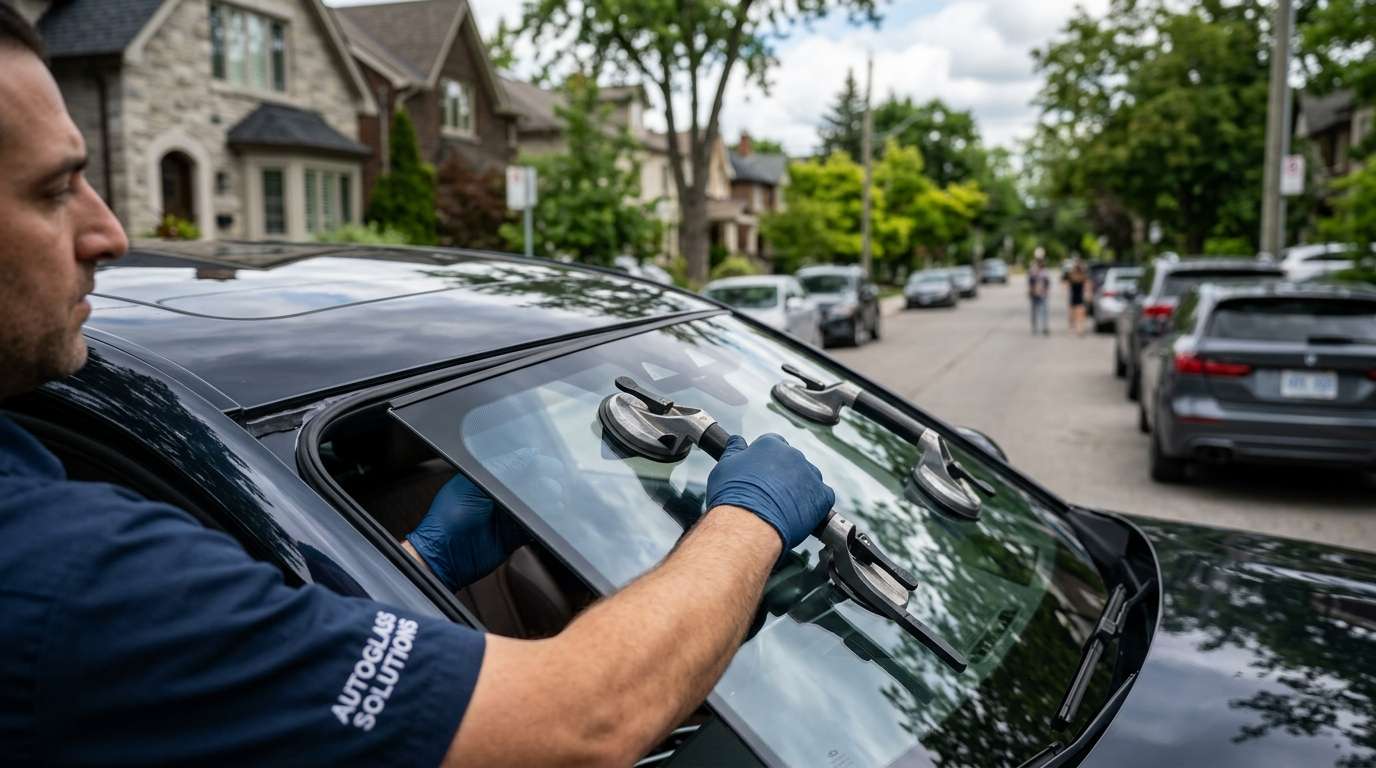
Fixing the BMW A0B601 Rain Sensor Contamination Error
You are driving down the 401, a light drizzle starts, and your automatic wipers either do absolutely nothing or go completely frantic. You plug in your scanner and pull the code: A0B601. As a technician who works on BMWs all across the GTA, I see this specific rain sensor contamination error all the time. Let us break down exactly what this code means, why it happens, and how to fix it right in your driveway.
What are the Symptoms?
When the rain-light-solar-condensation sensor (RLSS) throws an A0B601 code, your car essentially goes blind to the weather. You will usually notice:
- Wipers refuse to turn on automatically when the windshield gets wet.
- Intermittent wiping when the glass is perfectly dry.
- Headlights staying on during broad daylight, since the light sensor sits inside the same unit.
What Causes the A0B601 Code?
The A0B601 code literally means the sensor is reading an obstruction. The sensor sits right behind your rearview mirror, glued to the glass with a special silicone gel pad. Here is what usually goes wrong:
- Air Bubbles: If you recently had a cheap windshield replacement, the installer might have reused the old gel pad or applied a new one poorly, leaving trapped air pockets.
- Dirt and Grime: Heavy road film, sap, or a deep stone chip on the outside of the glass right over the sensor eye blocks the infrared light.
- Detachment: Extreme Canadian temperature swings can cause the silicone gel pad to shrink, dry out, and separate from the glass over time.
Step-by-Step Repair Guide
Here is my exact process for getting your automatic wipers working the way they should.
Step 1: The Basic Cleanup
Start simple. Grab a high-quality glass cleaner and thoroughly clean the outside of the windshield right in front of the rearview mirror. Inspect the glass closely for deep pitting or stone chips right over the sensor area. If the glass is damaged there, the sensor will never read correctly.
Step 2: Inspecting the Gel Pad
Look at the sensor from the outside of the car. It should look like a solid, dark purple or black circle. If you see milky white spots or silver bubbles, the gel pad is compromised and needs to be replaced.
Step 3: Replacing the Sensor Pad
Remove the plastic mirror cover. Unplug the sensor and unclip it from the metal windshield bracket. Carefully peel off the old silicone pad. Clean the sensor face and the inside of the windshield with 99% isopropyl alcohol until both surfaces are perfectly bare. Apply a brand-new BMW-specific gel pad, pressing it on smoothly to push out any trapped air.
Step 4: Sensor Calibration
You cannot just slap a new pad on and call it a day. The sensor needs to relearn the glass thickness and light refraction. Hook up your diagnostic tool, clear the A0B601 code, and run the rain/light sensor initialization procedure.
Pro Tip for Initialization
Make sure the windshield is completely dry and clean before running the calibration through ISTA or your advanced scanner. If there is moisture or dirt on the glass during this step, the base values will be permanently skewed.
When to Call the Glass Experts
Sometimes the problem is not just a worn-out sensor pad. A heavily pitted windshield or a botched aftermarket glass installation will keep throwing codes no matter what you do. If you are tired of fighting sensor errors and need your glass replaced the right way, reach out to AlexWindshield. We specialize in mobile auto glass services across the GTA, ensuring your BMW's rain sensors are mounted, wired, and calibrated perfectly. Plus, we back our work with a Lifetime Warranty. Let us handle the glass so you can get back to enjoying the drive.


