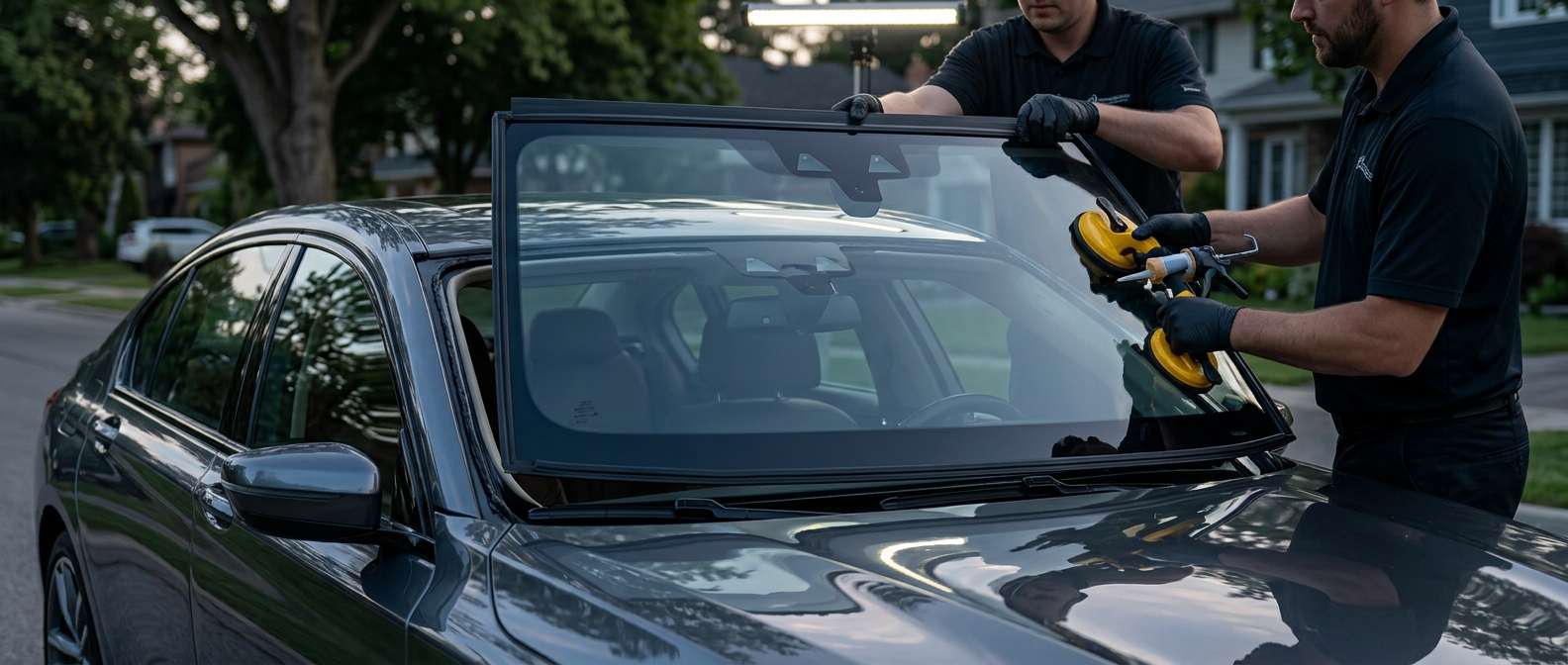
The B0113 Code Explained
Got a B0113 code popping up on your scanner and your automatic wipers are acting possessed? I see this exact issue roll into the shop all the time. The B0113 diagnostic trouble code points directly to a Rain Sensor System Malfunction. Whether your wipers are dragging across a bone-dry windshield or doing absolutely nothing in a heavy Canadian downpour, this code tells us the vehicle's computer has lost communication with the rain sensor.
The rain sensor is a small module mounted on the inside of your windshield, right behind the rearview mirror. It shoots infrared light into the glass to detect moisture. When the B0113 code triggers, it means the Body Control Module (BCM) isn't receiving the correct electrical voltage or signal back from that sensor.
Symptoms You Will Notice
- Dead Auto Wipers: The automatic setting simply stops working when it rains.
- Phantom Wiping: The wipers swipe randomly on completely dry glass.
- Default Mode: The "Auto" wiper setting reverts to a standard, timed intermittent wipe.
- Dash Warnings: A generic wiper fault message might pop up on your instrument cluster.
What Causes the B0113 Code?
- Poor Windshield Replacement: This is the number one culprit I find. If a tech reuses the old silicone gel pad between the sensor and the glass, air bubbles get trapped, blinding the sensor.
- Wiring Issues: A loose connector, a pinched wire in the headliner, or corrosion at the sensor plug.
- Blown Fuses: An electrical surge or a short can pop the fuse powering the rain sensor circuit.
- Fried Sensor Module: Sometimes the internal circuit board just gives out from age or extreme dash heat.
Step-by-Step Fixes for the B0113 Error
Step 1: Inspect the Sensor Gel Pad
Pop the plastic cover off the back of your rearview mirror and look closely at the sensor. It should sit perfectly flush against the glass without any gaps.
Why the Gel Pad Matters
If you see air bubbles, dirt, or peeling in the clear gel pad between the sensor and the windshield, the infrared light scatters. You'll need to unclip the sensor, clean the glass with rubbing alcohol, and install a brand-new gel pad. Never reuse the old one.
Step 2: Check the Wiring Harness
Unplug the sensor connector. Look for any green or white corrosion on the metal pins. Give the wires a gentle tug to make sure nothing is broken inside the insulation. If the pins look dirty, hit them with some electronic contact cleaner, let it dry, and plug it back in securely.
Step 3: Test Your Fuses
Grab your multimeter or a standard 12V test light. Check your owner's manual for the specific fuse that runs the rain sensor or BCM accessories. If it's blown, swap in a new one of the exact same amperage. If it blows again immediately, you have a short in the wiring.
Step 4: Sensor Replacement
If the wiring is getting power and ground, the fuse is good, and the gel pad is flawless, the sensor itself is likely dead. You'll need to buy an OEM replacement unit and snap it into the windshield bracket.
A Quick Note on Calibration
Keep in mind that many modern vehicles require a quick software recalibration using a professional OBD2 scan tool after installing a new sensor. This teaches the BCM how to read the new module and clears the B0113 code permanently.
Get It Fixed Right in the GTA
A massive chunk of B0113 codes happen right after a sloppy, rushed windshield replacement. If you are dealing with cracked glass in Canada and want the job done right the first time, call AlexWindshield. We are the trusted experts for mobile auto glass services across the Greater Toronto Area. When we replace your windshield, we use premium glass, install brand-new sensor gel pads, and ensure your tech is fully calibrated before we hand back the keys. We stand by our work with a rock-solid Lifetime Warranty. Don't let a bad install mess with your vehicle's electronics—let the pros handle it.


