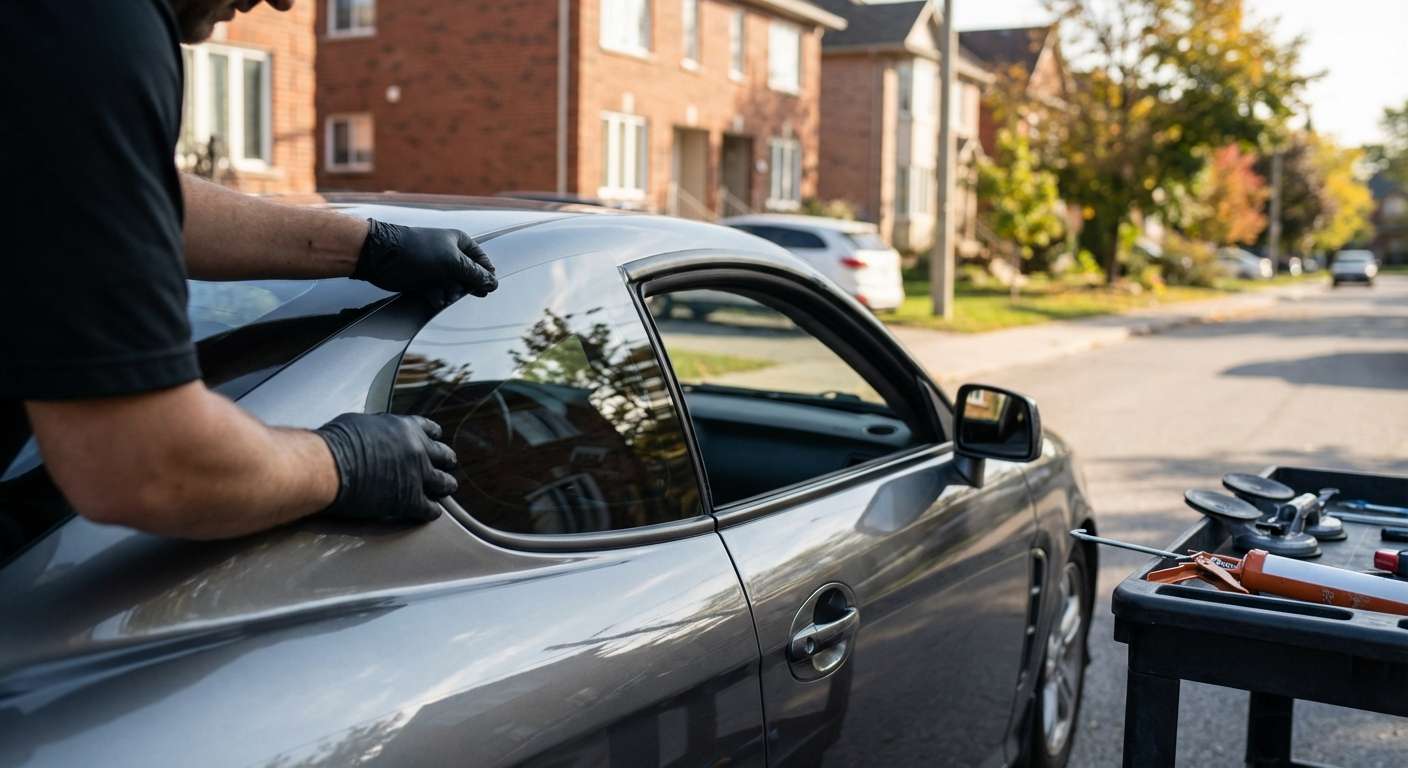
Restoring the Sleek Profile: Expert Vent Glass Replacement for the 2003-2008 Hyundai Tiburon
The 2003-2008 Hyundai Tiburon, fondly known by enthusiasts for its aggressive, shark-inspired styling and sweeping roofline, remains a standout sport coupe on the road today. A critical element of this vehicle's iconic, aerodynamic profile is its flush-mounted rear quarter vent glass. When this specific piece of auto glass is shattered—whether due to a break-in, road debris, or an unfortunate accident—it severely compromises not only the aesthetic appeal of your vehicle but also its structural integrity and interior security. As a Master Technician and auto glass specialist, I have meticulously performed countless installations on the GK-generation Tiburon chassis. At AlexWindshield, we combine advanced technical expertise with premium materials to restore your coupe to its original factory condition.
Premium Auto Glass Services Across the Greater Toronto Area (GTA)
Driving with a shattered vent glass is a massive security risk and exposes your interior to the unpredictable Canadian weather. At AlexWindshield, we understand that your time is valuable. That is why we offer comprehensive, top-tier mobile auto glass services straight to your driveway, office, or garage.
We are proud to serve the entire Greater Toronto Area (GTA). Whether you are commuting along the busy 400-series highways or parked at home, our mobile fleet provides rapid, reliable service specifically emphasizing our core service zones: Vaughan, Richmond Hill, and Markham. You do not need to risk driving a compromised vehicle across town; our Master Technicians bring the auto glass shop directly to you, fully equipped to execute a flawless, dealership-level replacement on the spot.
The Hidden Dangers of a Shattered Tiburon Vent Glass
Unlike a windshield, which is constructed from laminated glass designed to stay intact upon impact, the side vent glass on a 2003-2008 Hyundai Tiburon is made from tempered safety glass. When struck with sufficient force, tempered glass instantly shatters into thousands of tiny, granular pieces. While this is a safety feature designed to prevent massive, lethal shards from injuring passengers, it creates an immediate secondary problem: a cabin filled with sharp glass debris.
Furthermore, the Hyundai Tiburon's rear vent glass is bonded directly to the vehicle's frame using heavy-duty automotive polyurethane. This means replacing it is not a simple "bolt-on" job. It requires precision cutting, intricate chemical preparation, and an expert understanding of auto glass bonding procedures to ensure absolute structural safety and to prevent future wind noise or water leaks.
The Technical A to Z: Step-by-Step Vent Glass Replacement Process
As a Master Technician at AlexWindshield, I adhere strictly to the highest industry standards. The replacement of a bonded vent glass on a Hyundai Tiburon is a meticulous, multi-step process that guarantees safety, durability, and a flawless finish.
Step 1: Comprehensive Interior Protection and Vehicle Preparation
Before any tools are utilized, the absolute first step is protecting the customer's vehicle. We begin by laying down heavy-duty protective drop cloths over the Tiburon's rear seats, trunk area, and exterior paintwork directly beneath the damaged window. We apply specialized automotive masking tape around the exterior window frame to ensure that our cutting tools never come into contact with the vehicle's factory clear coat. Protecting your paint and interior from collateral damage is the hallmark of a professional auto glass service.
Step 2: Interior Trim Panel Removal and Exhaustive Glass Vacuuming
Because the Tiburon's vent glass is tempered and typically shatters entirely, the interior cleanup is a crucial phase. To access the mounting points and the inner pinch weld, we must carefully unclip and remove the interior C-pillar trim and rear quarter panels. The 2003-2008 Tiburon features tightly fitted plastic trims, requiring specialized non-marring pry tools to remove them without snapping delicate retaining clips.
Once the interior framework is exposed, we deploy an industrial-grade high-suction shop vacuum equipped with specialized brush and crevice attachments. We meticulously vacuum every single shard of broken glass from the rear seats, the floorboards, inside the internal body cavities, and behind the removed door panels. Leaving even a single shard of glass behind can cause irritating rattles while driving or, worse, pose a cutting hazard to passengers.
Step 3: Precision Removal of the Old Glass and Urethane Bead
With the interior secure and clean, we turn our attention to the vehicle's exterior framework, known as the pinch weld. The remnants of the shattered glass are still firmly bonded to the car via the original factory polyurethane adhesive. Using an advanced cold knife or a specialized braided wire-cutting tool, we carefully slice through the old adhesive bead around the entire perimeter of the vent window frame.
Once the shattered rim is removed, we perform a "close-cut." This involves trimming down the old urethane bead leaving a flat, uniform base layer of approximately 1 to 2 millimeters. This existing layer provides an optimal bonding surface for the new chemical adhesive, provided it is perfectly clean and structurally sound.
Step 4: Surface Cleaning and Mandatory Primer Application
A flawless seal dictates that the bonding surface must be completely free of dirt, moisture, and chemical contaminants. We clean the trimmed pinch weld using a specialized, alcohol-based auto glass cleaner.
Next comes one of the most critical steps in the entire auto glass replacement process: the application of an advanced automotive glass primer. If our cutting tools exposed any bare metal on the Tiburon's pinch weld, we immediately apply a high-quality, anti-corrosive black body primer to seal the metal and completely prevent future rust formation. Furthermore, we apply a specific glass primer to the dark ceramic band (the frit) on the inside edge of the new OEM-quality vent glass. This primer chemically reacts with the polyurethane adhesive, acting as a mandatory cross-linking agent that guarantees an unbreakable bond and shields the urethane from deteriorating under harsh UV rays.
Step 5: Urethane Application and New Glass Installation
With the chemical preparation complete, we load our power caulking gun with premium, fast-curing automotive polyurethane adhesive. We carefully apply a continuous, consistent "V-bead" of urethane directly onto the prepared pinch weld. The size and shape of this bead are crucial; it must perfectly bridge the gap between the Tiburon's chassis and the new vent glass to prevent any high-speed wind whistling or rain water leaks.
Using industrial suction cups, the new Hyundai Tiburon vent glass is carefully lifted and maneuvered into place. The 2003-2008 Tiburon features very specific sweeping body lines, so the glass must be aligned with millimeter precision to match the roofline and the adjacent door glass. Once perfectly aligned, we apply even pressure around the perimeter, compressing the urethane bead to securely seat the glass into the frame.
Step 6: Reassembly, Final Cleanup, and Curing Verification
While the heavy-duty adhesive begins to cure, we systematically reassemble the vehicle. We carefully reinstall the interior C-pillar and quarter trim panels, ensuring every retaining clip snaps securely back into its factory position. We give the interior one final vacuuming to guarantee absolute cleanliness.
The exterior of the new glass is thoroughly cleaned and polished with a streak-free, ammonia-free foaming glass cleaner. Finally, we apply specialized retention tape to the exterior glass to hold it perfectly flush against the bodyline while the urethane fully sets. We brief the customer on the Safe Drive Away Time (SDAT), which dictates exactly how long the vehicle must sit before the adhesive has cured enough to meet Federal Motor Vehicle Safety Standards (FMVSS).
Why AlexWindshield is Your Trusted GTA Auto Glass Expert
Replacing the distinctive vent glass on a 2003-2008 Hyundai Tiburon requires a delicate touch, specialized tools, and an uncompromising dedication to chemical safety protocols. Choosing a sub-par service provider can result in severe interior water damage, hazardous rust formation on your chassis, and dangerous glass detachment in the event of a collision.
When you choose AlexWindshield, you are choosing unparalleled peace of mind. Here is what sets our service apart:
- Master Technicians: Every replacement is performed by certified experts with years of dedicated experience handling complex automotive trims and chemical bonding processes.
- Premium OEM-Quality Glass: We source only top-tier glass that flawlessly matches the tint, curvature, and structural requirements of your Hyundai Tiburon.
- Unmatched Convenience: Our mobile auto glass services are optimized for your busy schedule. We proudly serve the entire GTA, bringing our state-of-the-art mobile shop directly to you in Vaughan, Richmond Hill, and Markham.
- Comprehensive Clean-Up: We don't just replace the glass; we ensure your interior is 100% free of hazardous glass shards, protecting your family and your vehicle's upholstery.
Book Your Expert Mobile Auto Glass Service Today
Do not let a shattered vent glass compromise the bold look, aerodynamics, and safety of your Hyundai Tiburon. Trust the industry leaders who combine technical mastery with unparalleled customer convenience. AlexWindshield is your definitive choice for expert, mobile auto glass services across the GTA.
We stand firmly behind the quality of our craftsmanship. Every single vent glass replacement we perform is backed by our comprehensive Lifetime Warranty, covering any issues related to workmanship, air leaks, or water ingress for as long as you own the vehicle. Contact AlexWindshield today to schedule your mobile appointment and get your 2003-2008 Hyundai Tiburon back on the road safely and stylishly.


