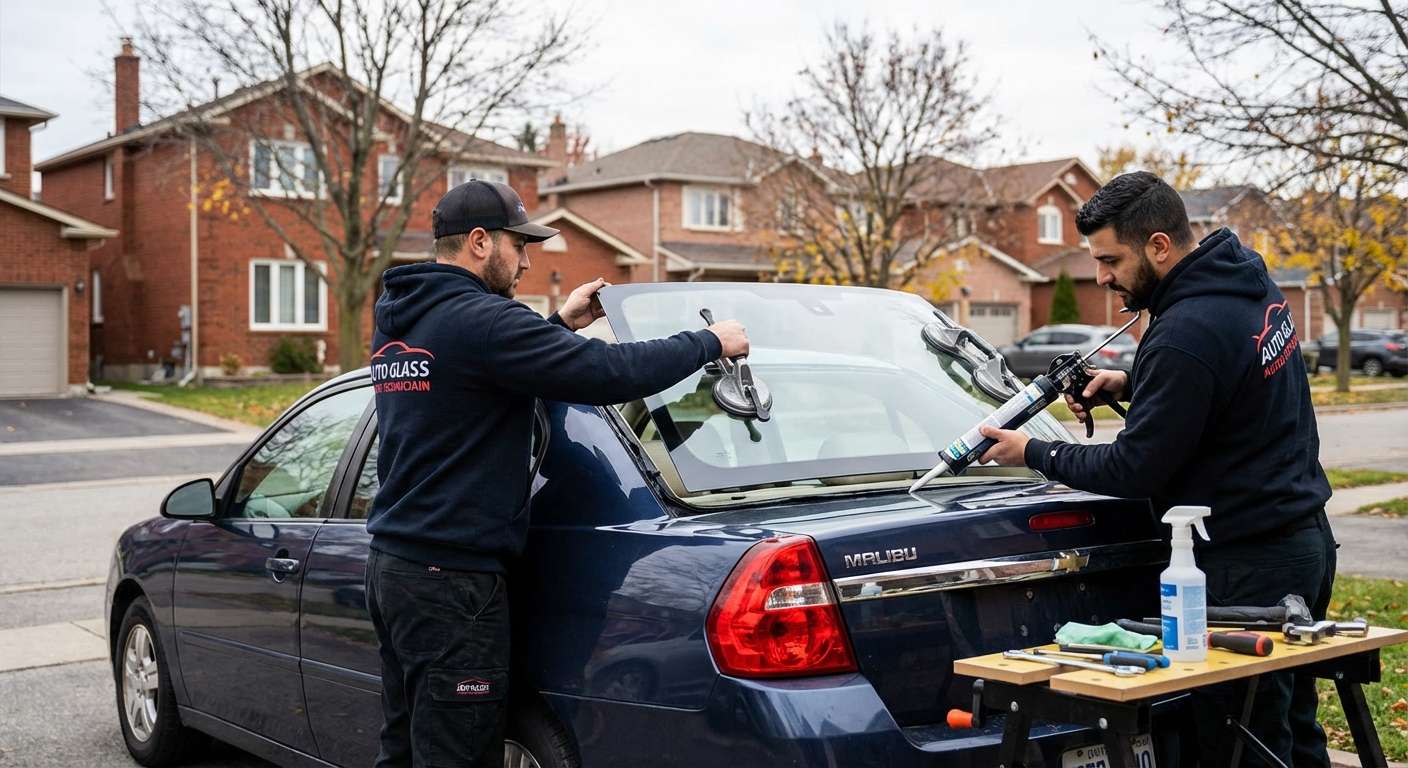
Addressing Malibu Rear Window Grid and Antenna Issues
On this sedan, the back window does far more than keep the weather out; it integrates both the heating defogger circuit and the printed AM/FM radio antenna directly onto the inner surface of the tempered glass. Malibu owners frequently report issues where cleaning the rear parcel shelf or sliding cargo into the back snaps the delicate soldered electrical busbar tabs clean off the glass. Once these break, the entire defrosting system goes down, and attempting to solder them back onto the ceramic frit often shatters the rear window due to localized heat stress. When replacing this stationary backlite, ensuring fresh factory-style spade terminals are intact makes all the difference in getting your winter defroster functioning again.
Another frequent frustration discussed on Malibu forums relates to General Motors Technical Service Bulletin 05-08-44-017. Drivers of 2004 to 2006 models often noticed severe AM radio static buzzing through the speakers the exact second they pressed the rear defogger button. The shared printed array on the rear window allows electrical noise from the heating grid to bleed into the antenna lead. The factory fix involved splicing a specific capacitor filter behind the driver-side C-pillar garnish molding. When I replace this rear glass, I make sure the separate antenna and defroster ground leads routed behind those interior trim panels are properly seated and isolated so your radio signals stay clean.
Sedan Versus Malibu Maxx Rear Glass Differences
Between 2004 and 2007, and continuing into the fleet-only 2008 Malibu Classic, Chevrolet produced both the standard four-door notchback sedan and the extended five-door Malibu Maxx hatchback. The glass between these two body styles does not interchange in any way. The Maxx relies on a hinged rear liftgate window equipped with a wiper motor assembly, whereas the sedan utilizes a fixed, direct-glazed back window bonded directly to the steel pinchweld beneath a flush exterior reveal molding. I typically arrive at your location within about an hour of your call, bringing the correct solar-green tempered glass matching NAGS part number FB22004 specifically shaped for the notchback sedan body.
The sedan layout also houses the Center High-Mounted Stop Lamp (CHMSL) directly on the interior package tray rather than in an exterior spoiler or the upper roof edge. The replacement aftermarket back glass features a dedicated lower black ceramic frit pattern that frames this third brake light precisely, preventing interior cabin glare while keeping the red stop signal visible to traffic behind the trunk lid.
Aftermarket Film Cautions and Post-Replacement Checks
Because the AM/FM antenna is embedded in the upper rows of the back window glass, owners who apply aftermarket window tint must choose their materials carefully. Forum discussions consistently show that metallic or carbon-metallic tint films act as a radio shield, severely degrading reception on both local FM and distant AM stations. Sticking to non-conductive ceramic or dyed polyester films ensures the embedded glass grid continues pulling in clear radio signals without interference.
After your new rear window is in place, walk around the back of your Malibu and verify these car-specific components:
- Inspect the gap between the lower edge of the glass and the forward lip of the rear trunk lid to ensure the black perimeter reveal molding sits flat and uniform without pinching.
- Check that both interior C-pillar garnish trim panels are snapped securely flush against the headliner, fully concealing the hidden defroster and antenna wiring harnesses.
- Turn on the audio system and cycle through weak AM stations while engaging the rear window defroster button on the dashboard to confirm there is no induced electrical hum.
- Look through the bottom center of the glass from outside to ensure the interior parcel shelf brake lamp sits centered within the clear viewport of the ceramic frit border.
- Examine the horizontal heating grid lines across the rear viewing area to confirm no breaks or scratches interrupt the conductive paths before any rear seat passengers load gear onto the parcel shelf.


