QuietTuning Acoustic Glass and Trim Variations
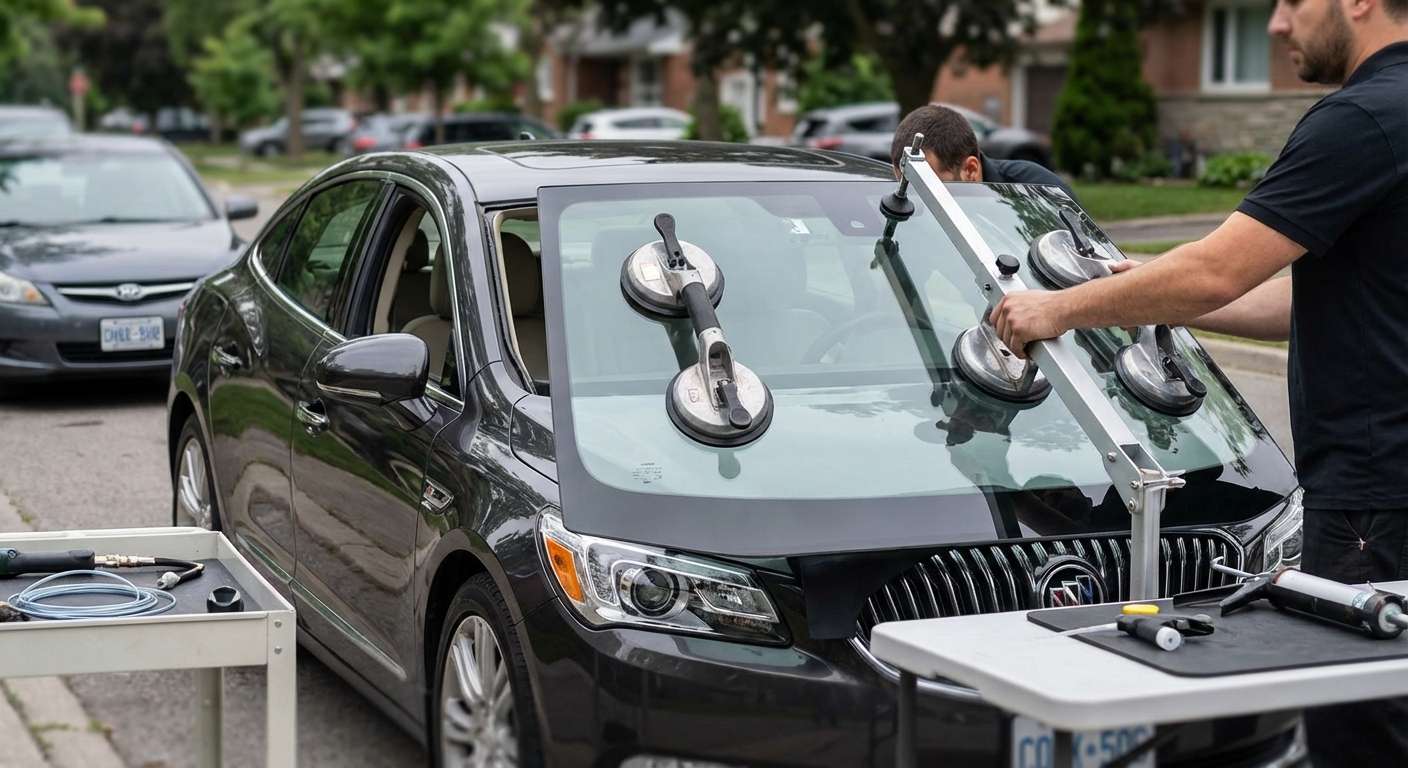
Buick built the 2017 to 2019 LaCrosse with standard acoustic laminated windshield glass to support the cabin's QuietTuning sound-deadening setup. While every model shares this thick noise-dampening interlayer, the glass configuration varies dramatically depending on whether the vehicle is an entry-level trim or a loaded luxury package. The primary split rests on whether the car has a Head-Up Display. The factory glass fitted for HUD projection, originally designated under GM part 26252259, features a specialized wedge interlayer within the laminate to keep projected speed and navigation data crisp rather than showing a double image.
Models without HUD—which typically encompasses the Base, Preferred, and standard Essence trims—use the non-projecting acoustic variant under OEM part number 26252260, a supersession that replaced older factory tags including 26231092, 26234147, and 26686951. Higher trims like the And the range-topping Avenir almost always require the HUD-specific glass, alongside integrated brackets for the forward-facing Forward Collision Alert and Lane Keep Assist hardware. Pairing the incorrect aftermarket equivalent to a HUD-equipped LaCrosse results in immediate optical distortion across the driver's forward line of sight.
Mirror Housings, Brackets, and Cowl Assemblies
Behind the rearview mirror of the LaCrosse sits a complex cluster concealed by a two-piece plastic trim cover split into upper and lower shells. Snapped underneath these plastic shells are the factory-bonded bracket for the active safety camera and the optical sensor for GM's Rainsense automatic windshield wipers. The Rainsense unit requires an intact, bubble-free optical silicone gel pad against the glass surface. Reusing a stretched pad or leaving micro-bubbles between the sensor face and the windshield face leads to erratic wiper activation or stuttering sweeps across the windshield. I guarantee every piece of glass I install against material defects for one year, alongside a lifetime guarantee on my installation workmanship, ensuring that hardware attachments like these stay securely seated.
Down at the base of the windshield, the glass meets a wide exterior plastic cowl grille panel that seals off the wiper transmission and motor assembly. The wiper arms mount through this cowl screen in a dual-pivot articulated sweep setup designed to clear the broad lower corners of the windshield. Removing this trim without fracturing the plastic retention clips requires careful release along the bottom edge, as any distortion in the cowl screen allows road debris and water runoff to bypass the drainage channels beneath the glass line.
Managing the Heavy A-Pillars and Interior Clearances
The raked silhouette of this car pairs with exceptionally thick A-pillars that create noticeable blind spots near the forward edges of the glass. On the interior side, these pillars are wrapped in tailored, fabric-covered interior garnish moldings that house and conceal the side-curtain roof airbags. When handling the perimeter of the glass from inside the cabin, these interior trims must be cleared to preserve the clean upholstery line and protect the airbag deployment tracks running down toward the dashboard joint. Unlike some older sedans with exposed metal frames, the front doors feature full-frame windows and conventional division bars, meaning the outer glass interface relies on strict alignment with the perimeter pinchweld to keep wind rush off the acoustic glass boundary.


