Mercedes B10/007 Rain and Light Sensor No Signal: What It Means and How to Fix It
If you drive a modern Mercedes-Benz, you probably rely heavily on those automatic wipers and headlights. But when they suddenly stop working and your scanner spits out code B10/007, you've got a specific problem on your hands. I've spent years in the shop dealing with Mercedes electrical quirks, and this "Rain and Light Sensor No Signal" error is a frequent flyer. Let's break down exactly what's happening behind the glass and how to get it sorted out.
Breaking Down Code B10/007
This diagnostic trouble code simply means your overhead control panel has lost communication with the rain and light sensor mounted on the windshield. The system uses a LIN bus network to talk. When that chatter stops, the car protects itself by defaulting to manual controls.
Common Symptoms You'll Notice
When this code triggers, the signs from the driver's seat are pretty obvious:
- Wipers won't activate automatically when it starts raining.
- Headlights stay on during bright daylight or fail to turn on at dusk.
- An "Auto Wiper/Light Inoperative" warning message pops up on your dash.
What Causes the "No Signal" Error?
Before you start throwing expensive parts at the car, you need to know why the connection dropped. Here are the most common culprits I see:
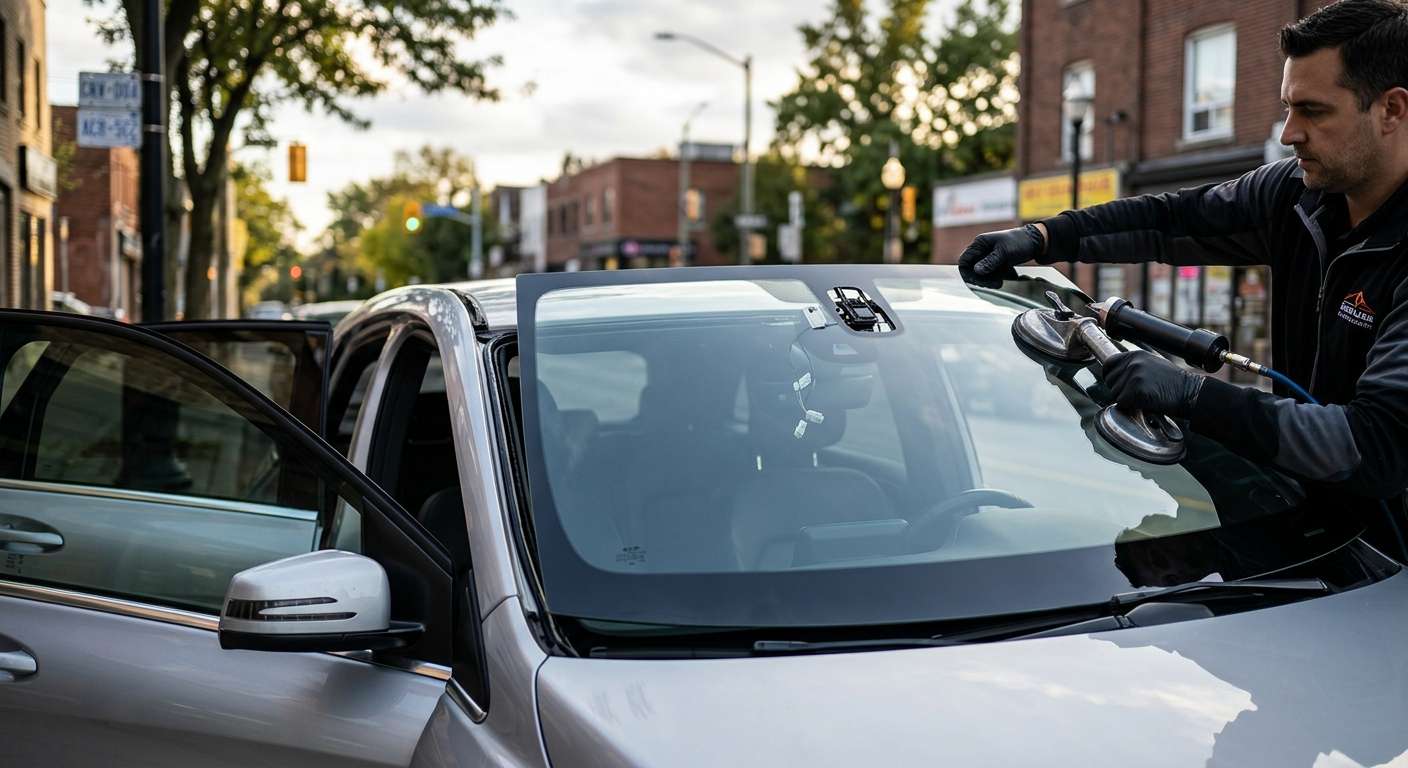
- Bad windshield replacement: A poorly installed aftermarket glass or a damaged gel pad between the sensor and the windshield is the number one reason this fails.
- Wiring issues: Corroded pins, a loose connector, or a pinched LIN bus wire up in the overhead console.
- Failed sensor unit: Sometimes, the electronic component itself just burns out from years of baking in the sun.
Step-by-Step Diagnostic Guide
Here is how I tackle this in the bay to find the exact fix. Grab your flashlight and a multimeter.
- Step 1: Physical Inspection. Look at the sensor from the outside of the windshield. If you see air bubbles, dirt, or a milky look between the sensor and the glass, your gel pad is ruined. The sensor works using infrared light, and it can't "see" through bubbles or debris.
- Step 2: Wiring and Voltage Check. Pull down the overhead control panel to access the sensor. Unplug the three-wire connector. You need a solid 12 volts on the power wire, a good clean ground, and a fluctuating voltage (usually around 9 to 11 volts) on the LIN bus line. If the power or ground is dead, you have to trace the wires back to find the break.
- Step 3: Scanner Reset and Calibration. If the wiring checks out and the gel pad is perfect, plug everything back in. Use a pro-level scanner to clear the code. Often, you just need to re-initialize the sensor so it can relearn the windshield's optical properties.
Getting It Fixed Right
If the gel pad is shot, replace it. Never try to reuse an old one—it simply won't work. If the sensor module is dead, you'll need to swap in a new OEM unit and code it to the car. Sensor issues like this pop up all the time right after a cheap, rushed windshield job. The glass might look fine to the naked eye, but the installer messed up the sensor mounting.
If you are in Canada, specifically the Greater Toronto Area, you don't have to deal with these headaches. At AlexWindshield, we know Mercedes systems inside and out. We provide expert mobile auto glass services across the GTA, ensuring your rain and light sensors are perfectly calibrated with a flawless gel pad installation every single time. Plus, we back all our work with a Lifetime Warranty. Give us a call, and we'll get your Benz back on the road working exactly how it should.


