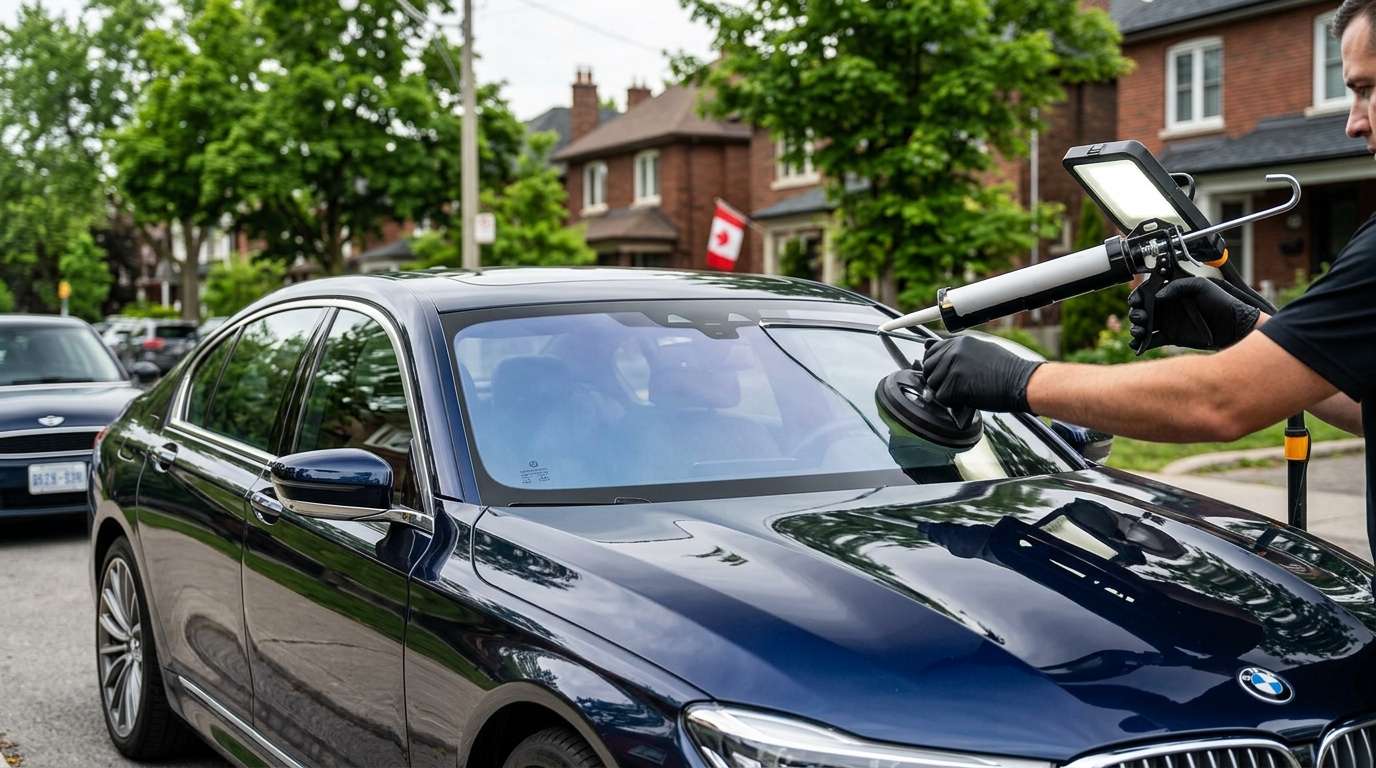
BMW A0B602 Rain Sensor Windshield Contact Fault: What It Means and How to Fix It
If you drive a modern BMW, you probably love the automatic wipers and headlights. But when you scan your car and see the A0B602 code pop up, things get annoying fast. I see this specific fault code in the shop all the time, usually right after a customer got a cheap windshield replacement somewhere else. Let's break down exactly what this rain sensor contact fault means, what causes it, and how we actually fix it in the bay.
What is the A0B602 Fault Code?
The A0B602 code points directly to a contact issue between your rain/light sensor and the windshield glass. In BMW diagnostics, this means the Roof Function Center (FZD) is losing the proper optical signal from the sensor. Basically, the sensor's infrared beams can't "see" through the glass correctly to detect water droplets or outside light levels.
Symptoms You Will Actually Notice
When this fault triggers, your BMW stops reading the weather accurately. Here is what you will likely experience behind the wheel:
- Erratic wiper behavior: Your wipers might swipe at full speed during a light drizzle or refuse to turn on at all when it is pouring rain.
- Automatic headlight failure: Your headlights might stay turned on even during bright daylight.
- Dash warnings: You might get a generic lighting or wiper system malfunction message popping up on your iDrive screen.
Why Did My Rain Sensor Fail?
Sensors rarely just burn out on their own. In my experience turning wrenches on these cars, the root cause almost always comes down to the physical connection to the glass.
- Air bubbles in the gel pad: The sensor uses a clear silicone gel pad to bond to the windshield. If an air bubble gets trapped in there, it breaks the optical beam.
- Poor windshield replacement: This is the number one cause I deal with here in Canada. A shop uses low-quality aftermarket glass with a distorted sensor bracket, or worse, they try to peel off and reuse the old, dried-out gel pad.
- Wiring connector issues: Sometimes the plug connecting the sensor to the overhead console gets bumped loose or the wires get pinched during a glass install.
How to Diagnose and Fix the Fault
Step 1: The Visual Inspection
Checking the Optical Bond
Leave the scanner alone for a second and just look at the sensor from the outside of the windshield. You want to see a solid, dark circle or square where the sensor sits. If it looks milky, cloudy, or has silver-looking spots, you have air bubbles trapped between the sensor and the glass. That is your contact fault right there.
Step 2: Hardware Replacement
Installing a New Gel Pad
If the pad is compromised, we have to pull the sensor off from the inside. We clean the glass perfectly with an alcohol prep pad and install a brand-new optical gel pad. You can never reuse the old one. It simply will not seal.
A Note on Aftermarket Glass
Sometimes the metal bracket on cheap glass is glued on crooked from the factory. If that happens, the sensor won't sit flush, and no amount of fresh gel will fix the contact fault. You need proper glass.
Step 3: Software Reset
Re-initializing the Rain Sensor
Once the hardware is fixed and the sensor is sitting flush, you can't just drive away. We hook up a diagnostic scanner to clear the A0B602 code and re-initialize the rain sensor. This forces the computer to adapt to the transparency of the new glass and gel pad. Without this step, the wipers still won't work right.
Expert BMW Auto Glass Service in the GTA
Dealing with sensor faults after a bad glass job is a massive headache. At AlexWindshield, we do it right the first time. If you need a windshield replacement in the Greater Toronto Area, our mobile auto glass service comes directly to your driveway or workplace. We use premium glass, install fresh sensor gel pads on every single BMW, and handle the computer recalibration right on the spot. Plus, everything we do is backed by our Lifetime Warranty. Give us a call, and let's get your BMW seeing clearly again.


