BMW A0B600 Rain Sensor LIN Bus Communication Error: Causes and Fixes
If you drive a BMW and your automatic wipers suddenly stop working, you might plug in a scanner and pull the A0B600 code. I see this specific fault all the time in the shop. It simply means your car's main computer lost communication with the rain and light sensor mounted up on your windshield. Let's break down exactly what is happening under the glass and how to get your wipers behaving normally again.
Understanding the A0B600 Code
The A0B600 error points directly to a LIN bus communication fault with the Rain/Light/Solar/Condensation Sensor (RLSS). The LIN bus is a single-wire communication network that the sensor uses to talk to the Roof Function Center (FZD). When that signal drops, the system goes blind.
Symptoms You Will Notice
- Your wipers only work on manual speed settings, completely ignoring the "Auto" button.
- Automatic headlights stay on constantly, even in bright midday sun.
- The climate control struggles to manage interior window fogging.
Root Causes of the Communication Drop
In my experience diagnosing these German electrical systems, the culprit usually falls into one of three categories.
1. Poor Windshield Replacements
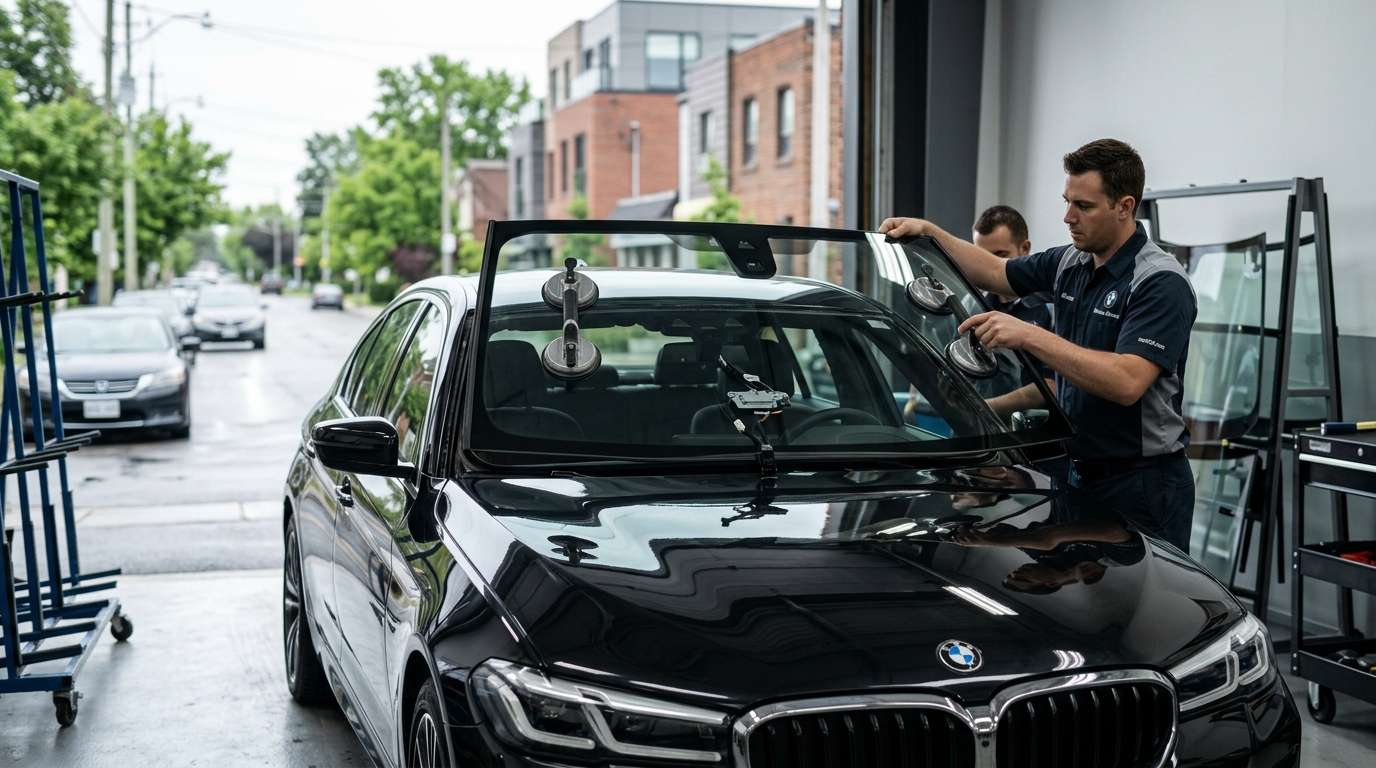
This is the most common reason I see this code. If a shop replaced your glass and reused the old sensor gel pad, or trapped air bubbles during the installation, the sensor cannot read the glass correctly. Sometimes, cheap aftermarket glass distorts the optical signal enough to cause the module to shut down communication.
2. Wiring and Connector Damage
The wiring harness running up to your rearview mirror deals with extreme heat from the sun baking the roof. The connector can vibrate loose, or the thin LIN bus wire can get pinched against the roof metal, grounding out the signal entirely.
3. A Fried Sensor or Blown Fuse
Water intrusion is a known killer here. A clogged sunroof drain can send water dripping right down into the headliner, shorting out the RLSS sensor and popping the fuse.
Step-by-Step Diagnosis and Fixes
Do not just fire the parts cannon at your BMW. Follow these steps to track down the actual hardware failure.
Step 1: Visual Inspection and Fuses
Pop the plastic cover off the rearview mirror base. Check the three-wire connector plugged into the sensor. Is it seated tight? Are the pins corroded? Next, check your passenger fuse box. If the specific fuse for the FZD or rain sensor is blown, you have a dead short somewhere in that harness.
Step 2: Inspect the Optical Gel Pad
Look closely at the sensor from the outside of the windshield. Do you see milky spots, gaps, or air bubbles? If the gel pad is damaged, you need to peel off the sensor, clean the glass perfectly with alcohol, and apply a brand-new optical gel pad.
Step 3: Test the LIN Bus Wire
Grab a multimeter and back-probe the sensor connector. You should see battery voltage on the power wire, a solid ground, and fluctuating voltage (usually between 9 and 11 volts) on the LIN bus wire. If the LIN wire is completely dead, trace the wire back to the roof module to find the break.
Re-initializing the Module
After you fix the wiring or replace the sensor, the job is not done. You must clear the A0B600 code and re-initialize the rain sensor using a proper diagnostic scan tool. The system has to learn the exact optical reflection of your specific windshield before it will work.
Need Expert Auto Glass Help in the GTA?
A massive percentage of these sensor headaches start with a sloppy windshield installation. If you need your glass replaced correctly the first time, reach out to AlexWindshield. As your trusted experts for mobile auto glass services across the Greater Toronto Area, we know exactly how to handle complex BMW rain sensors. We bring the shop to your driveway, use premium materials, and back our work with a Lifetime Warranty so you never have to deal with annoying codes like A0B600.


