B0110 Rain and Light Sensor Circuit Fault: A Mechanic's Guide
Got a B0110 code popping up on your scanner? As a tech who spends half the week dealing with modern windshield electronics, I see this one a lot. You are probably frustrated because your automatic wipers have a mind of their own, or your headlights refuse to turn on when it gets dark. Let us break down exactly what this code means, why it happens, and how to get it sorted out in your driveway or the shop.
What Exactly is the B0110 Code?
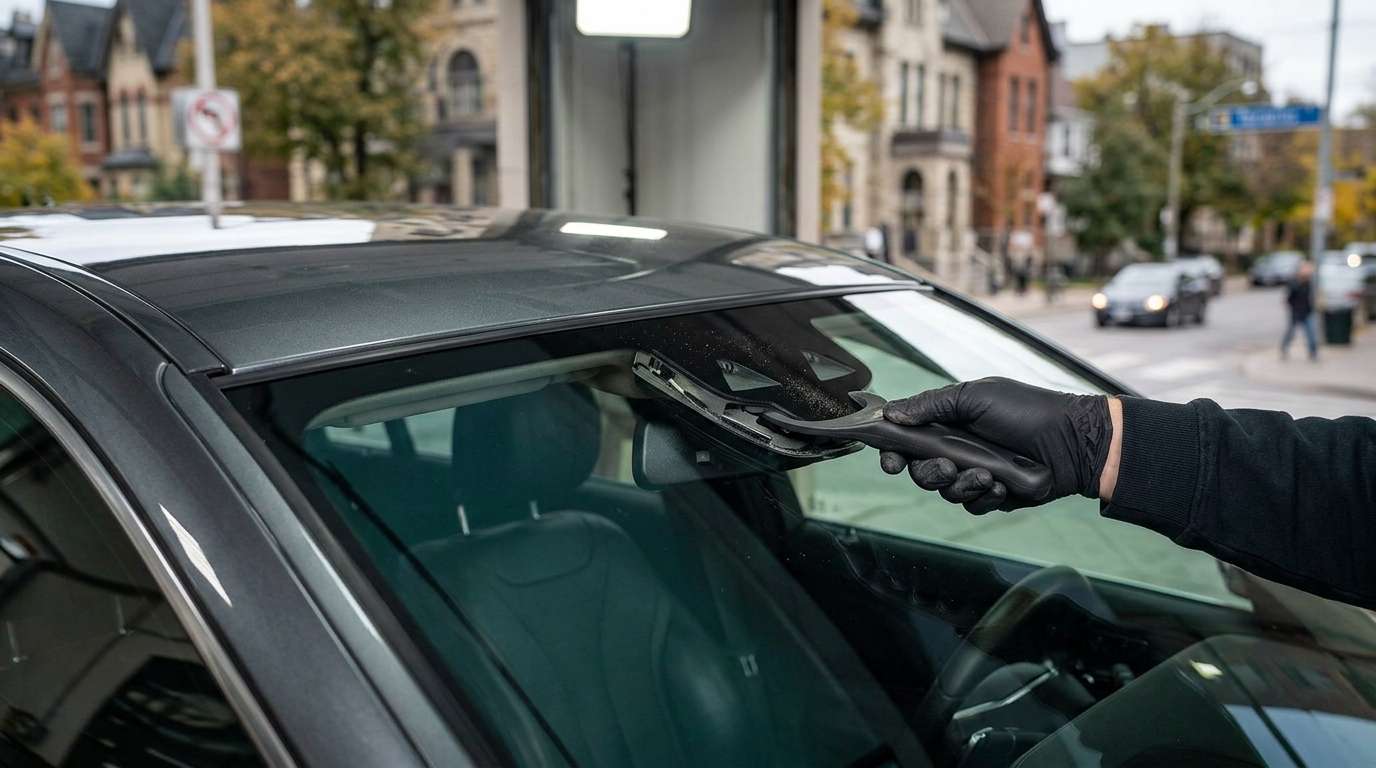
The B0110 Rain and Light Sensor Circuit Fault tells you there is a communication or power issue with the sensor mounted right behind your rearview mirror. This sensor uses infrared light to detect moisture on the glass and measures ambient light to control your automatic headlights. When the vehicle's Body Control Module (BCM) loses the signal from this unit, it triggers the B0110 code.
Symptoms You Will Notice
When this circuit fails, your car usually defaults to manual mode for safety. Look out for these obvious signs:
- Auto-wipers fail to engage when it starts raining or snowing.
- Wipers swipe at random, erratic speeds even when the glass is dry.
- Automatic headlights stay on constantly during the day or refuse to turn on at night.
- A warning message pops up on the dash regarding lighting or wiper faults.
Main Causes Behind the B0110 Fault
In my experience, this code rarely means the car's main computer is fried. It almost always comes down to a few physical or electrical issues up at the glass:
- Faulty Sensor Gel Pad: The sensor relies on a clear silicone gel pad to sit flush against the windshield. If there are air bubbles, dirt, or dust trapped in there, the sensor goes blind.
- Bad Windshield Replacement: If you recently had cheap glass installed, the sensor bracket might be misaligned, or the tech might have reused an old, damaged gel pack.
- Damaged Wiring or Connectors: The plug going into the sensor can vibrate loose over time, or the wires can get pinched under the headliner.
- Blown Fuse: A simple electrical short can pop the fuse powering the overhead console and sensors.
Step-by-Step Fix Guide
Step 1: Inspect the Windshield and Gel Pad
Look at the sensor from the outside of the windshield. You should see a solid, dark circle or rectangle. If you spot milky areas, air bubbles, or peeling edges, the gel pad needs replacing. You can buy a replacement gel pad, clean the old silicone off the sensor with rubbing alcohol, and carefully stick the new one on.
Step 2: Check the Wiring Harness
Pop off the plastic cover behind your rearview mirror. Unplug the sensor connector and check for bent pins, moisture, or corrosion. Grab a multimeter and verify you have 12-volt power and a solid ground on the harness side while the ignition is switched on.
Step 3: Test the Fuses
Check your owner's manual for the fuse linked to the rain/light sensor or the overhead console. Pull it out and test it with a multimeter or test light. If the metal bridge inside is broken, replace it with a fuse of the exact same amperage and see if the code clears.
Step 4: Replace and Calibrate the Sensor
If the wiring checks out and the gel pad is flawless, the sensor unit itself has likely failed. Snap a new OEM sensor into the windshield bracket. Keep in mind, many modern vehicles require a quick scan tool calibration to pair the new sensor with the BCM so it reads the glass correctly.
Need Expert Help in the GTA?
Dealing with windshield sensors can be a massive headache, especially with unpredictable Canadian weather where you need your wipers and lights working perfectly. If your B0110 code popped up after a bad glass job, or you just want a professional to handle the repair properly, reach out to AlexWindshield. We specialize in mobile auto glass services across the GTA, ensuring your glass, gel pads, and sensors are installed correctly the first time. Every replacement comes with our Lifetime Warranty, so you can hit the road with total confidence.


