EyeSight Apertures and Trim-Specific Heated Glass Variations
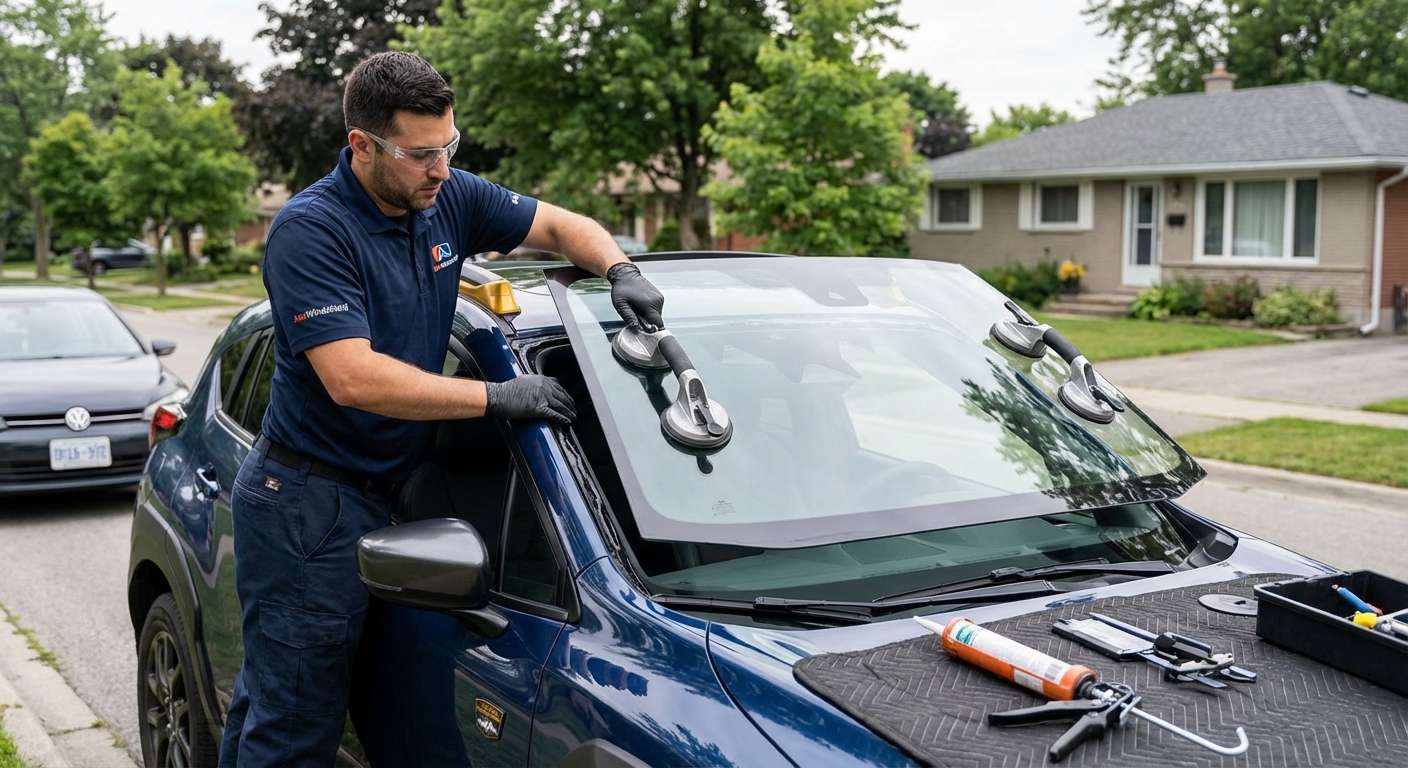
Replacing the front glass on this crossover requires matching the specific camera layout and electrical grid embedded in the original windshield. Every variant from the entry level to the rugged Wilderness build uses a factory bracket assembly bonded directly to the glass at the top center. The black ceramic frit surrounding the rearview mirror does not just hide the urethane; it features dedicated optical cutouts engineered to sit flush against the stereo lenses of Subaru's driver-assist housing. Touching those forward-facing lenses or allowing interior dust into the enclosed housing during the glass swap causes immediate optical faults across the system.
Beyond the camera bracket, the trim level dictates whether the lower glass contains an integrated conductive defroster grid. The Base trim uses factory glass part 65009FN042, which skips the heating elements entirely. Stepping up to the Premium, Sport, Limited, or Wilderness models introduces an electric wiper park de-icer running along the bottom edge, fed by an electrical harness tucked behind the cowl. The acoustic laminate varies as well: part 65009FN032 includes both the de-icer and specialized acoustic interlayers to hush wind noise over the cabin, whereas 65010FN00D retains the de-icer but omits the acoustic dampening package found on the sound-insulated editions. Fitting a non-de-icer pane onto a Wilderness or Sport leaves the factory harness disconnected under the firewall, losing windshield defrosting right where the wipers rest.
Managing the Body Channel Seals and Single-Use Dam Components
Unlike earlier Subaru designs that utilized frameless door glass sliding into rubber channels on the roof, this Crosstrek features framed front doors that seal directly against the stamped A-pillar channel alongside the windshield perimeter. The clearance between the door frame's leading weatherstrip and the outer reveal moulding of the windshield is tight. If the replacement glass sits even a couple of millimeters off-center or stands too proud, the framed door rubber will rub the moulding edge every time the door swings shut.
Subaru's service engineering dictates that the upper dam, side dams, outer seals, and reveal mouldings are strictly single-use parts that cannot be salvaged from the broken glass. These internal foam dams control the urethane squeeze-out, keeping the adhesive channel uniform so it never encroaches on the optical clearance zone or intrudes past the interior A-pillar trim panels. I back my work on these assemblies with a lifetime guarantee against leaks and wind noise, paired with a one-year warranty on the replacement glass itself. Rebuilding the perimeter with factory-specified fresh dam profiles also ensures that the two-piece plastic cowl panel clips back over the bottom edge cleanly, preventing rainwater runoff from bypassing the wiper pivot drains.
Addressing Optical Glass Tolerances and Overhead Console Clearances
Aftermarket glass options such as NAGS FW05646 must meet exceptionally strict visual clarity standards across the camera viewing path. Because Subaru's stereo cameras calculate depth by comparing two distinct perspectives through the laminated glass, any microscopic wave, bubble, or thickness variance in the vinyl interlayer creates parallax distortion. The camera housing also incorporates an overhead console cover that clips securely around the bracket; pulling this housing down to free the glass requires disengaging internal retention clips without bending the plastic frames that maintain the camera angle relative to the dash.
Cabin heat management is another critical factor tied to the optical frit. The Crosstrek's camera microprocessors generate significant internal heat, relying on solar-absorbing glass properties to prevent the safety system from shutting down in direct sunlight. When the replacement glass lacks the proper solar-control tinting within the laminate, heat builds rapidly in the enclosed pocket between the glass and the overhead trim, prompting the vehicle to throw temporary camera blindness warnings on the instrument cluster until the cabin air conditioning cools the sensor housing back down.


