Acoustic Glass and the 2010 Rain Sensor Split
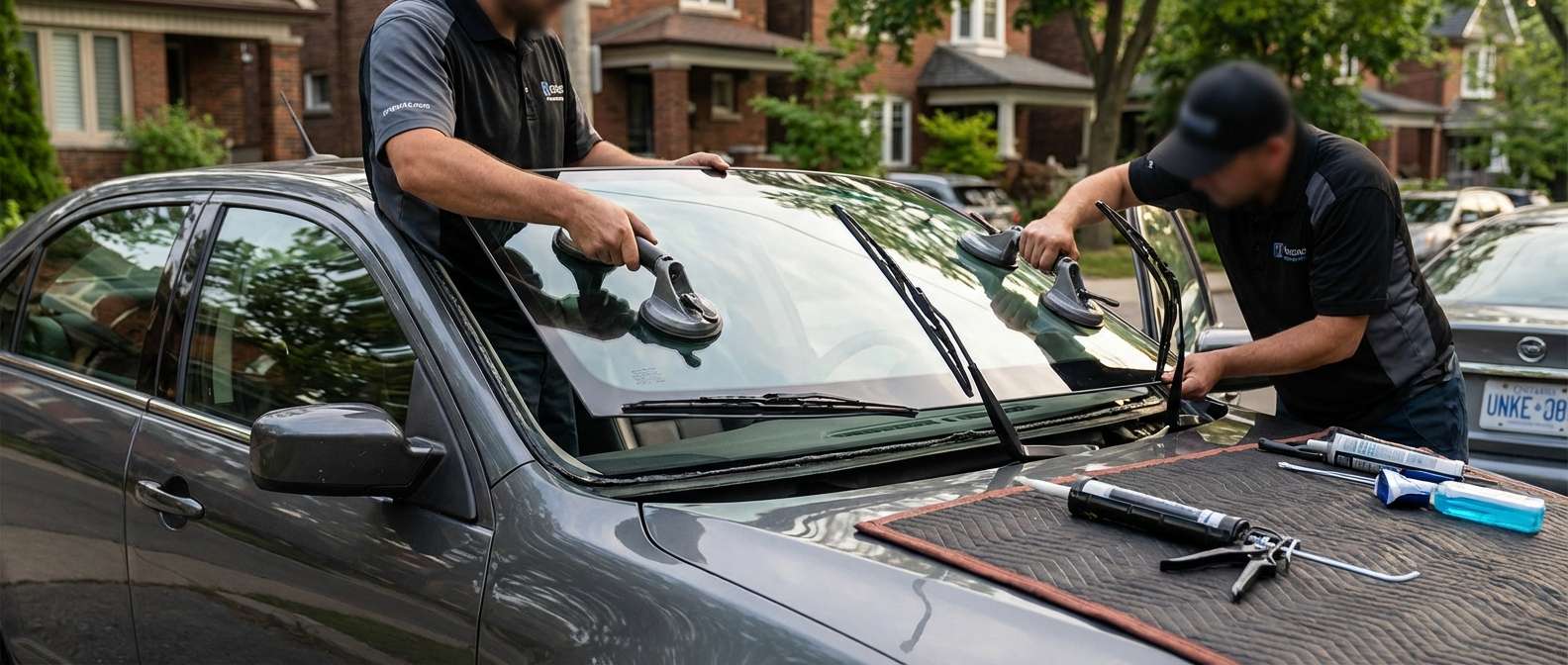
When you replace the windshield on your MKZ, the first thing to verify is whether your sedan uses the early bare glass or the late-cycle rain-sensing setup. Models from 2007 through 2009 take NAGS part DW01623, which comes with a standard green solar tint and a blue shade band across the top edge. For the 2010 facelift through 2012, Lincoln added an optical rain-sensing wiper system, shifting the glass to NAGS part DW01868. This later windshield features a dedicated bracket bonded directly to the inner surface to house the optical eye right behind the rearview mirror.
Both versions feature factory acoustic laminate glass. Lincoln engineered the cabin to mute wind buffeting and road drone, so the glass uses a sound-dampening vinyl interlayer between the glass plies. While this body shares its underlying CD3 platform architecture and window opening dimensions with the first-generation Ford Fusion and Mercury Milan, slapping a standard Fusion glass into the Lincoln opening degrades cabin isolation because many standard Ford trims lacked this specialized acoustic sandwich.
Hardware Details Around the Lincoln Cowl and Pillars
The perimeter of the glass on this vehicle relies on a low-profile, flush-mounted rubber reveal molding along the roofline and side pillars rather than heavy snap-on metal trim. At the bottom, the glass rests against a rigid two-piece plastic cowl grille that protects the wiper linkage and cabin filter intake. The windshield has no integrated heated wiper park elements or printed radio antenna traces, but managing the interior trim during replacement demands extra care around the A-pillars. The plastic interior post covers snap tightly over side-curtain airbag modules, and the tether clips need steady handling so the fabric trim stays clean and undamaged.
Whenever I replace one of these windshields, I work strictly with high-grade aftermarket glass from manufacturers like Pilkington, PGW, FYG, or XYG to ensure the factory-correct acoustic vinyl core and bracket placements are preserved. On 2010 to 2012 models, simply mounting the rain sensor into its bracket is not enough; the optical prism requires a fresh silicone coupling gel pad to eliminate air pockets between the sensor face and the glass. Without that clear interface, the infrared light refracts incorrectly and the automatic wipers cycle erratically.
Dash Edge Lifting Near the Defrost Vents
A frequent quirk specific to 2007 through 2010 MKZ sedans involves the dash pad right beneath the front glass. Prolonged sun exposure often causes the factory vinyl upholstery to peel, bubble, or curl upwards directly adjacent to the horizontal defroster vents. This condition is an existing interior adhesive failure on these cars, but it sits within millimeters of the glass border. Knowing this issue helps set realistic expectations before the work starts, ensuring the fragile, warped vinyl edge is not stressed further while working in the tight space between the dash top and the windshield frame.
Can I swap the cheaper Ford Fusion windshield into my MKZ?
The external dimensions match because both cars share the CD3 structure, but the Fusion glass often lacks the specific acoustic vinyl interlayer required by Lincoln. Using non-acoustic glass will noticeably increase wind rush and engine drone at highway speeds. Additionally, 2010 to 2012 MKZ models require the specific DW01868 windshield with the factory-attached rain sensor bracket, which base Fusion models do not possess.
Why are my automatic wipers acting erratically after a windshield change?
On 2010 to 2012 models, the rain sensor relies on a clear bubble-free silicone gel disc to read moisture through the glass. If an installer reuses the old dried-out gel pad or traps air bubbles against the optical lens, the sensor cannot accurately gauge reflection, leading to dry wiping or a total failure to activate in rainfall.
Does the MKZ windshield contain built-in antenna wires or wiper heater grids?
No. The 2007 to 2012 MKZ uses a roof-mounted aerial mast for radio signals, and the lower wiper rest area is completely unheated. The only electronic hardware mounted directly to the glass is the auto-dimming rearview mirror button and, on 2010–2012 sedans, the rain sensor module.


